
HYBRID SOLAR SYSTEM
Hybrid Solar System Buying Guide: Working, Components, Pros and Cons


About SabSolar
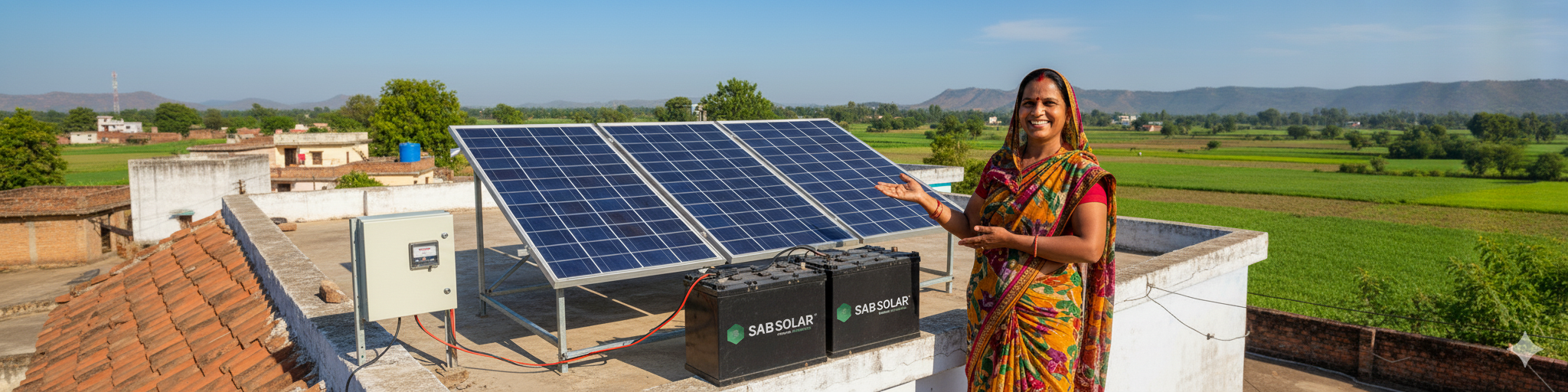
At SabSolar, we strive to make solar energy efficient, reliable, and cost-effective for every home and business. Our mission is to reduce pollution while helping customers save on electricity bills with advanced solar solutions.
We specialize in hybrid solar systems, combining the benefits of on-grid and off-grid setups. With hybrid solar, you get uninterrupted power even during grid outages, along with the ability to feed excess energy to the grid.
Our services include:
Free solar consultation to identify the right system for your home or business.
Durable mounting structures designed to withstand extreme weather conditions.
Quick system design with a 3D rooftop model in minutes.
Flexible financing and EMI options, including zero-cost plans.
Comprehensive AMC services to ensure long-term performance.
What is a Hybrid Solar System?
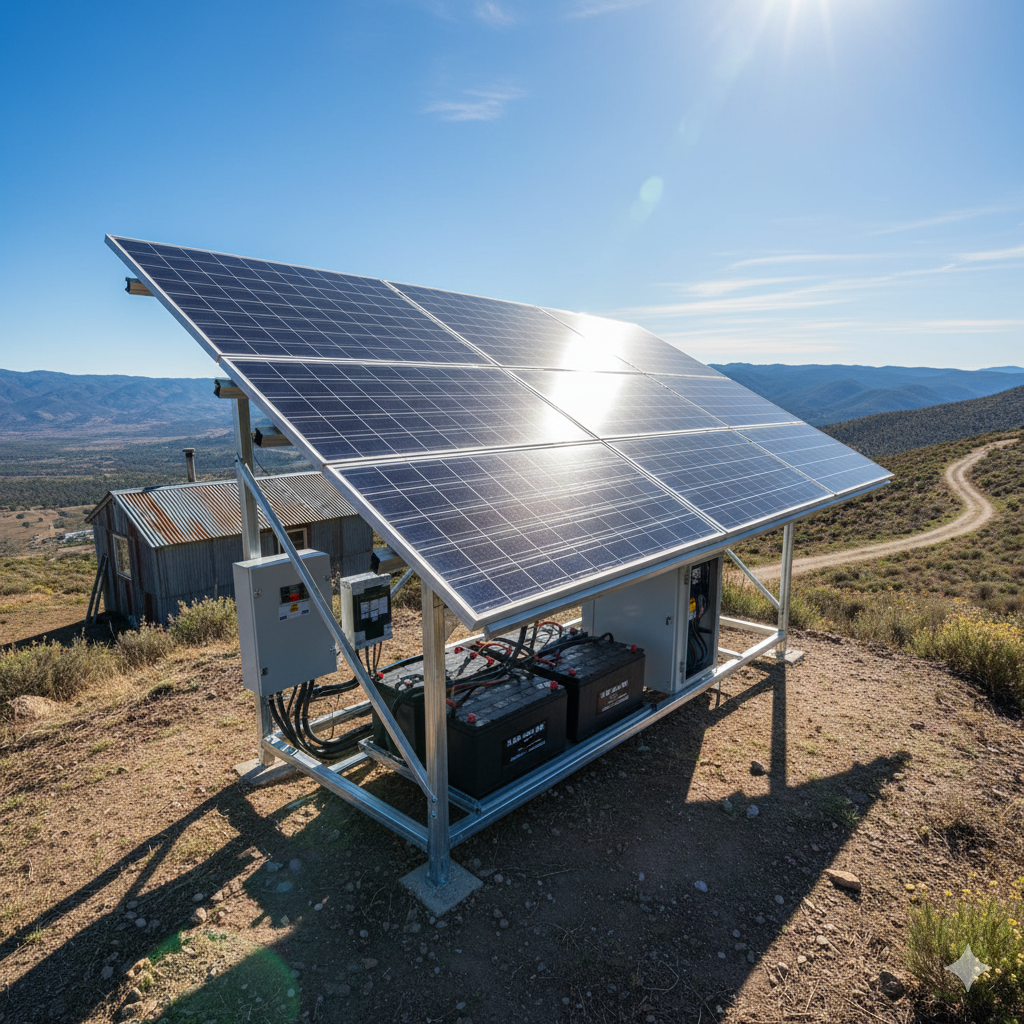
A hybrid solar system is a combination of on-grid and off-grid solar systems. It uses solar panels to generate electricity, stores surplus energy in batteries, and can feed extra power back to the grid.
This type of system provides:
Continuous electricity supply, even during grid outages.
Efficient utilization of solar power, reducing dependency on the grid.
Faster ROI compared to purely off-grid systems, with battery backup included.
When to Use a Hybrid Solar System?
Hybrid solar systems are ideal if:
You live in an area with a partially reliable grid or frequent power cuts.
You want energy savings and uninterrupted power at all times.
You want the flexibility of battery storage while still enjoying net metering benefits.
Hybrid systems are a perfect choice for modern households and commercial setups seeking both reliability and efficiency.
Components of a Hybrid Solar System
1. Solar Panels
Solar panels convert sunlight into electricity. They can be:
Monocrystalline – high efficiency, single silicon crystal.
Polycrystalline – cost-effective, multiple silicon crystals.
Bifacial – generates electricity from both sides for higher output.
2. Hybrid Inverter
A hybrid inverter manages electricity flow between:
Your home appliances
Battery storage
The grid
It converts DC electricity from solar panels into AC, ensures battery charging, and manages grid interaction.
3. Batteries
Batteries store surplus energy for use during nighttime or grid outages. Common types include lithium-ion and lead-acid batteries.
4. Charge Controller
The charge controller regulates battery charging and ensures batteries are neither overcharged nor undercharged. Many hybrid inverters have integrated MPPT controllers.
5. Mounting Structures
Panels must be installed at the correct tilt and angle for maximum sunlight. Strong and durable mounting structures ensure system longevity.
6. Solar Accessories
Accessories ensure the system is safe and functional:
DC & AC cables
Combiner boxes
MC4 connectors
Earthing and conduit trays
Lightning protection
How Does a Hybrid Solar System Work?
Sunlight Conversion – PV cells convert sunlight into DC electricity.
DC-to-AC Conversion – The hybrid inverter converts DC to AC for household appliances.
Battery Storage – Surplus energy charges batteries for nighttime or outage use.
Grid Interaction – Excess electricity not stored in batteries is fed to the utility grid via net metering.
Smart Power Management – The hybrid inverter automatically balances solar power usage between home, batteries, and the grid, ensuring uninterrupted electricity.
Advantages of Hybrid Solar Systems
Uninterrupted Power Supply: Keeps your home running even during grid failures.
Reduced Electricity Bills: Feed excess electricity to the grid for credits.
Flexible and Reliable: Combines the benefits of on-grid and off-grid systems.
Low Maintenance: Integrated inverter and battery system make upkeep simpler than standalone off-grid systems.
Sustainable Energy: Reduces carbon footprint while ensuring energy reliability.
Disadvantages of Off-Grid Solar Systems
Higher Initial Investment: Includes both batteries and grid connection.
Moderate Maintenance: Batteries still need periodic replacement.
Complex Installation: Requires skilled technicians for proper integration.
Off-Grid vs On-Grid Solar Systems
| Feature | On-Grid | Off-Grid | Hybrid |
|---|---|---|---|
| Grid Dependency | Yes | No | Partial |
| Battery Backup | Optional | Yes | Yes |
| Power During Outage | No | Yes | Yes |
| Government Subsidy | Yes | No | Partial (on-grid portion) |
| ROI | Fast | Slower | Moderate |
| Maintenance | Low | High | Moderate |
Conclusion
A hybrid solar system is the best choice for households and businesses that need uninterrupted power, energy savings, and grid flexibility. While the initial investment is higher than an on-grid system, hybrid solar offers the best combination of reliability, efficiency, and sustainability.